
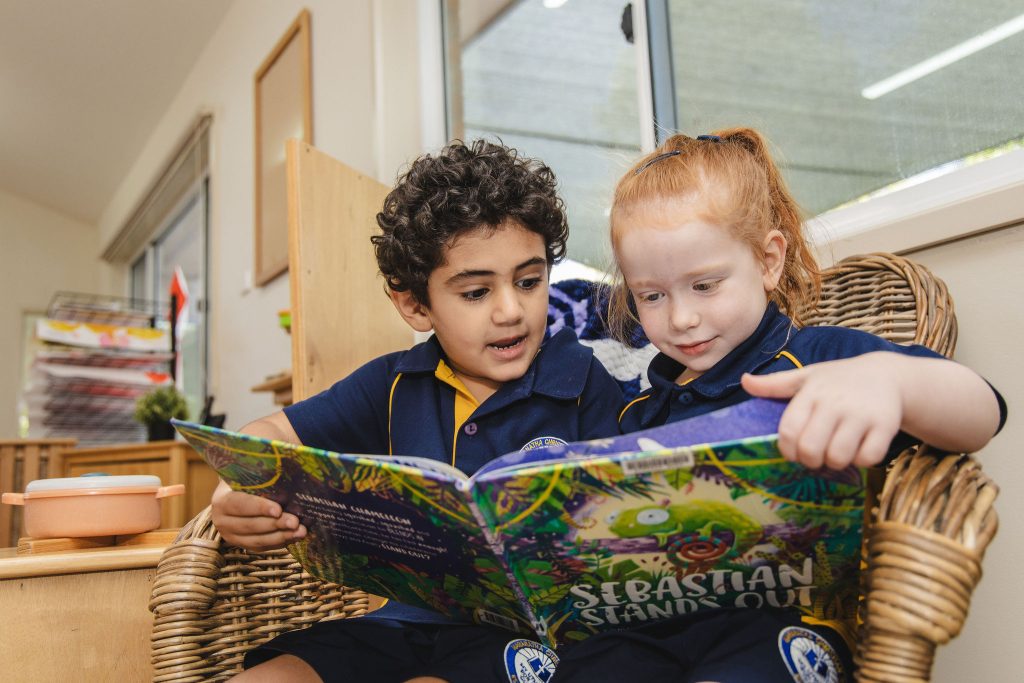
The Foundations of Literacy Begin Early
The early years are filled with stories, songs, conversations, and shared moments that shape a child’s lifelong relationship with literacy. Research consistently shows this is a crucial time for building the foundations of language, communication, reading, and writing. These early experiences support far more than future academic success, they also nurture confidence, curiosity, and creativity.
At the heart of literacy development is oral language. When children talk, listen, ask questions, and engage in rich, meaningful conversations, they are building vocabulary, sentence structure, comprehension, and thinking skills. Oral language underpins all areas of learning including literacy, numeracy, social understanding, and problem-solving. In many ways, it is the foundation of reading and writing, as children first learn to express ideas through spoken language before they can read and record them. Simply put, children write what they can say.
In the early years, literacy also develops through drawing, mark making, storytelling, songs, and the many ways children communicate their ideas and understanding of the world.
Literacy Through Play and Storytelling
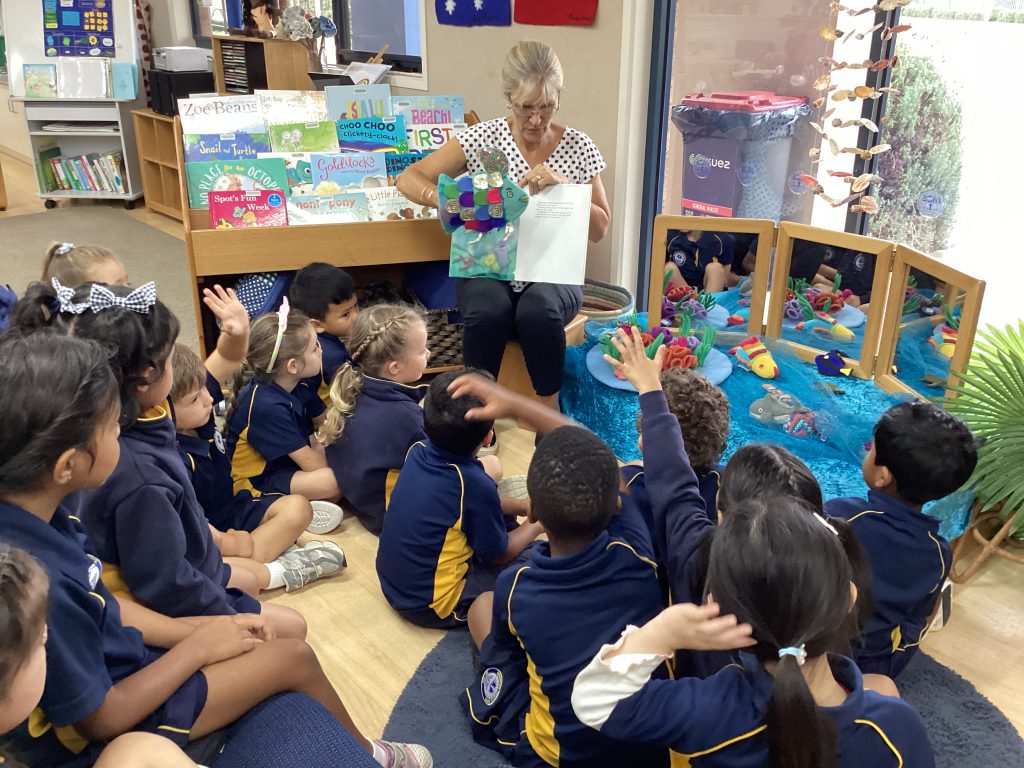
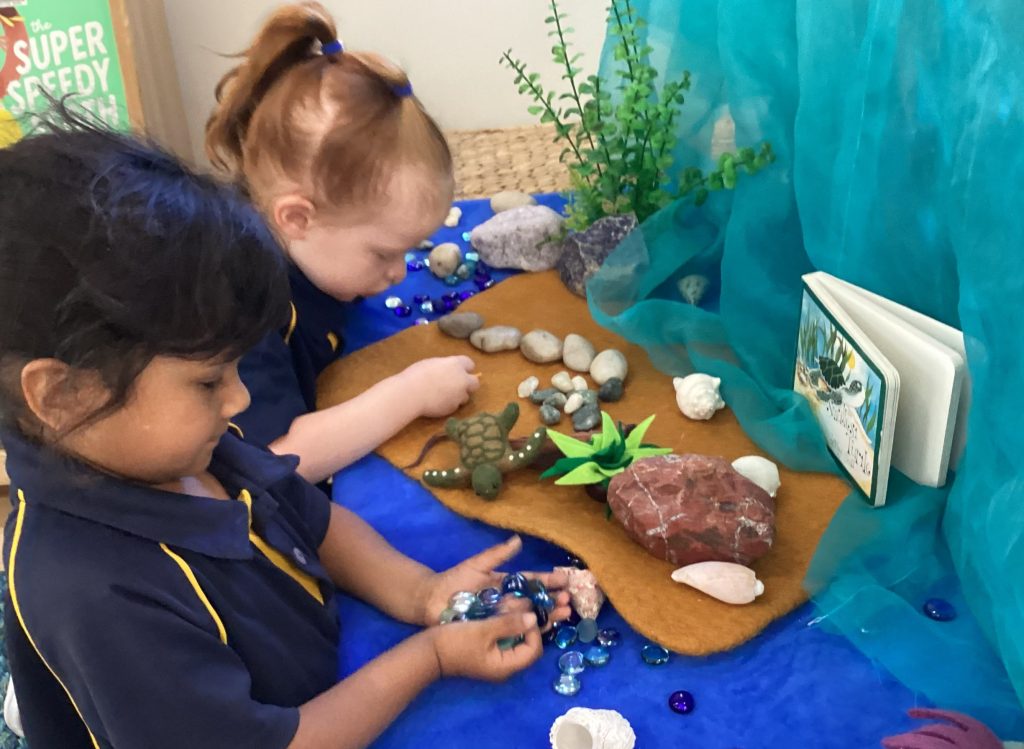
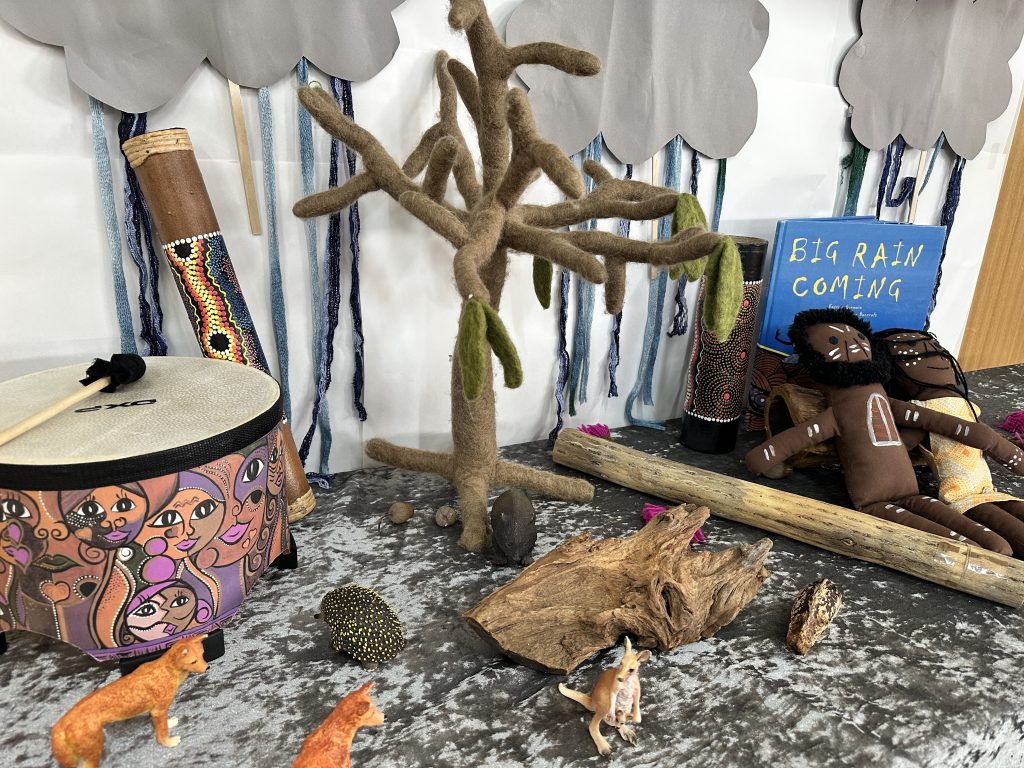
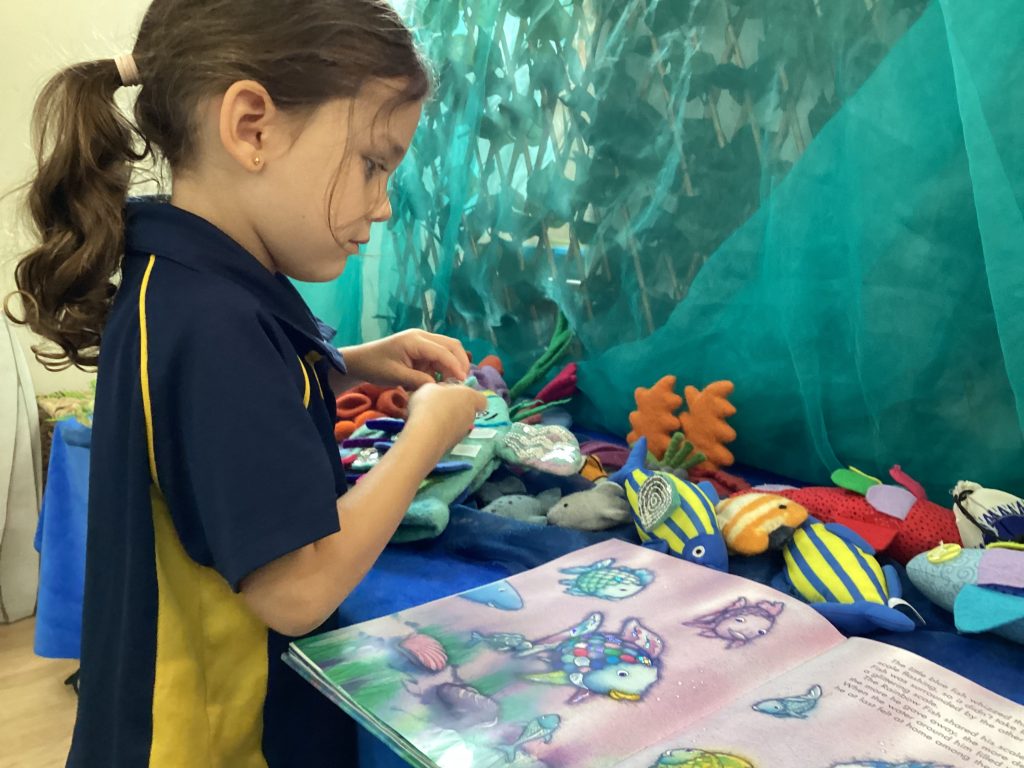
In our ELCs, we intentionally create language-rich environments where storytelling, imaginative and dramatic play, songs, rhymes, and everyday conversations are woven naturally throughout the day. It is always a joy to step into a classroom and hear children deeply engaged in conversation, negotiating roles in play, or excitedly retelling a story with such expression and confidence. These moments reflect the power of intentional teaching and the richness of language in action.
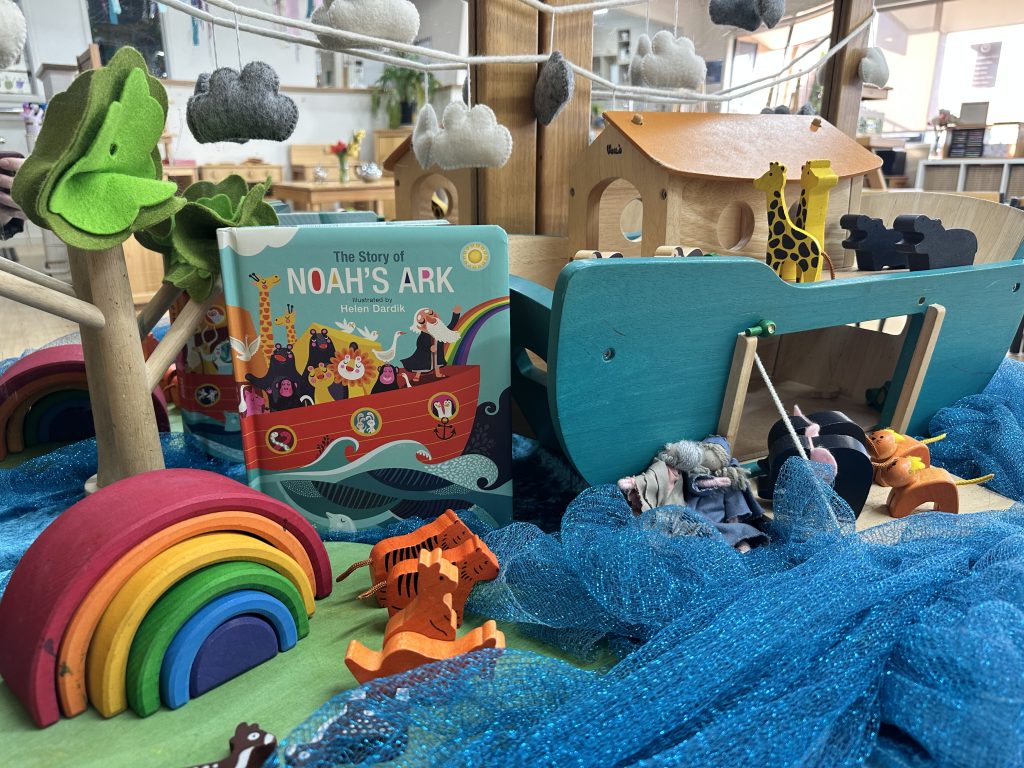
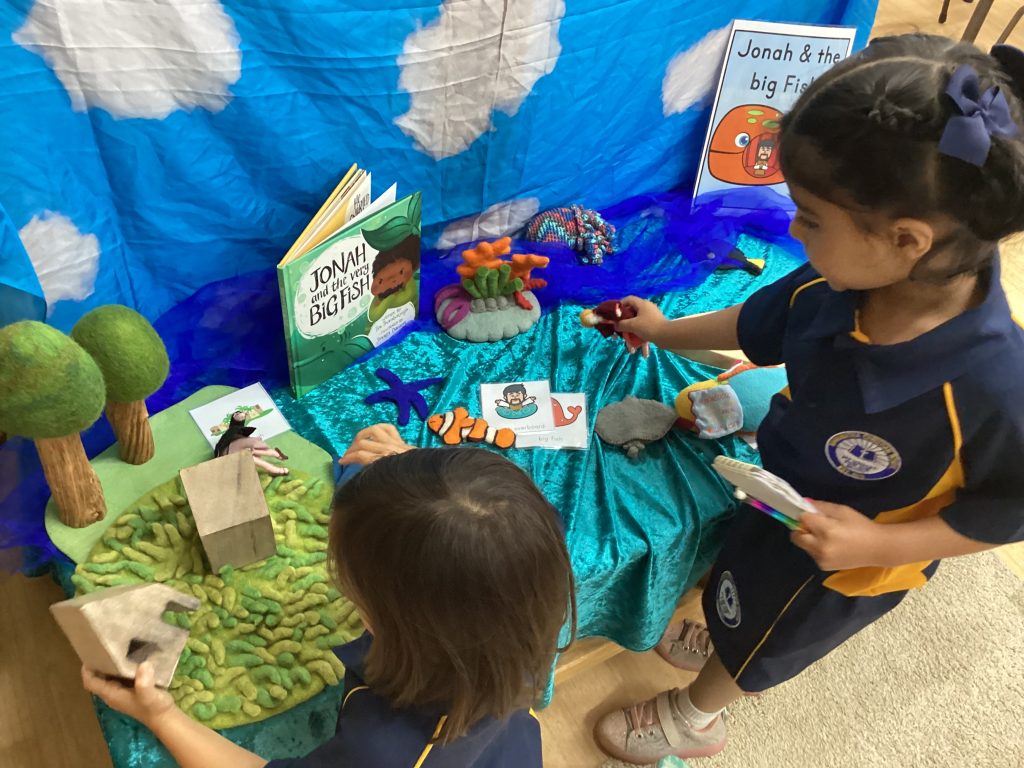
Play is central to this learning. Whether children are acting out roles as shopkeepers, doctors, firefighters, or café workers, they are constantly using and extending language, negotiating ideas, problem-solving, imagining, and telling shared stories together. Storytelling experiences, including shared books, Bible stories, small world play, and the use of props, further enrich children’s language development, inviting them to retell familiar stories, create new narratives, explore characters, and express their ideas with increasing confidence and creativity.
The Power of Shared Reading
Reading together is one of the most powerful ways families can support literacy at home. Just 10–15 minutes a day builds vocabulary, listening skills, imagination, and a lifelong love of books. There is something special about the shared moment of a story, pausing to wonder, asking questions, and seeing a child’s understanding grow as the story unfolds.
Most importantly, these early experiences help nurture a lifelong love of language, learning, and stories, gifts that children will carry with them well beyond their early years.
I still remember sitting for hours as a child listening to Storytime tapes, completely immersed in the stories. I also remember the excitement of saving up enough money to visit the bookshop and choose a new book to take home. Growing up, my mum almost always had her Bible or a book (and often several books!) open nearby, and seeing her genuine love of reading left a lasting impression on me. Those everyday moments, listening to stories, watching someone delight in books, and being surrounded by reading, sparked a deep love of books and literacy that has stayed with me throughout my life.
Growing a Lifelong Love of Literacy
The gift of literacy begins long before a child can read independently. It grows through conversations, stories, play, relationships, and shared experiences that help children feel connected, capable, and inspired to learn.

Claire Robins
Director of ELC
Maranatha Christian School

A Time for Formation Before a Time for Technology
Our latest Leadership article by Mrs Jenny Rus, Director of Junior School, explores why delaying...
Sep

Empathy: Learning to Understand Others, so We May Love Well.
Our latest Leadership Article Mrs Dutlow, Head of Endeavour Hills explores how empathy shapes relationships,...
Sep

Prep Healesville Excursion
Maranatha Prep students visited Healesville Sanctuary, where they encountered some incredible creatures and discovered more...
Sep
Leadership Assembly
Maranatha inducted our School Captains, Senate members, and student leaders for 2027, while also thanking...
Sep
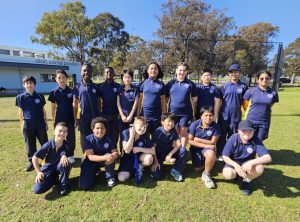
Year 6 Gala Day
Our Year 6 students recently represented Maranatha at the Year 6 Gala Day, participating in...
Sep
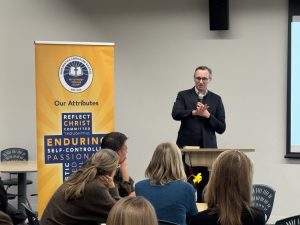
Association Dinner
Maranatha Association Members came together for their annual dinner. The highlight of the evening was...
Sep
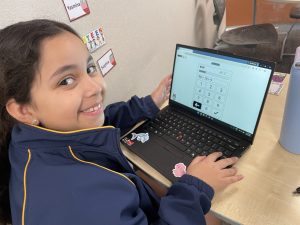
Year 5 Oz Rocks Competition
Year 5 students have achieved outstanding results in the recent Oz Rocks competition, a national...
Sep
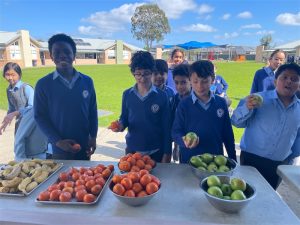
Wellbeing Week 2026
Across our Maranatha campuses this week, students will be exploring the many aspects of wellbeing...
Sep