
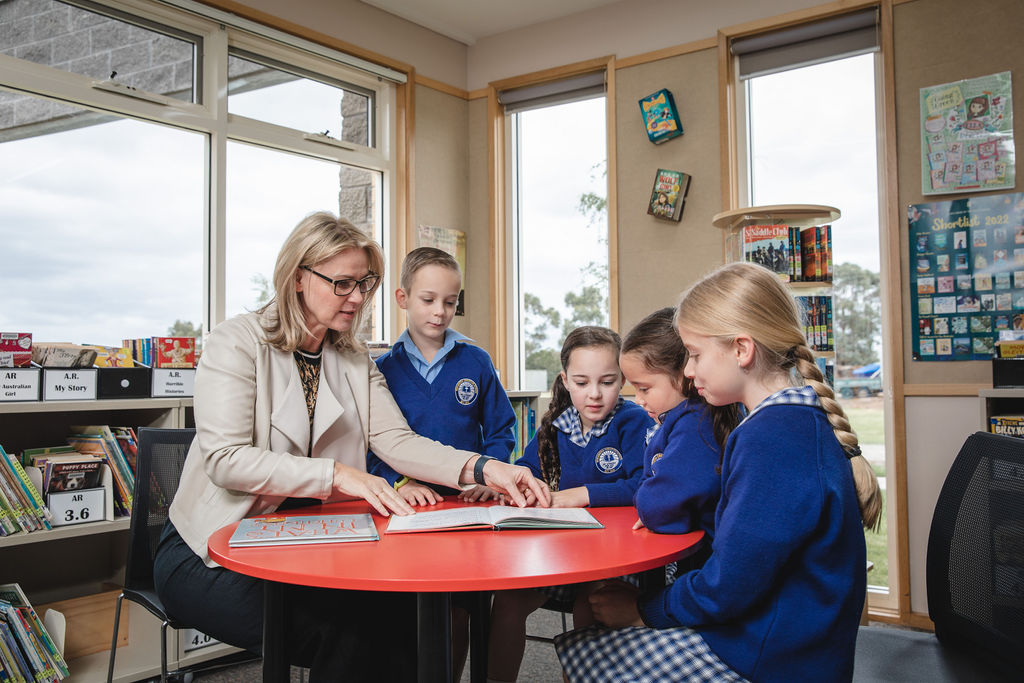
At Maranatha, we believe that every child has been created uniquely by God and is gifted with the ability to learn, contribute, and grow. Just as the body of Christ has many parts that work together, our classrooms thrive when every student has the opportunity to engage, share, and be heard. Engagement norms are one of the ways we live this out in practice, ensuring that learning is not only effective, but also inclusive, collaborative, and honouring of each child’s voice.
If you walk into one of our classrooms, you might notice students turning to a partner to share ideas, using hand signals to agree, reading aloud together in unison or using small whiteboards to write answers to questions so that teachers can check for understanding. These aren’t just random activities, they’re called engagement norms. They are shared classroom practices that help every child take part in learning. At Maranatha, these norms are a core part of how we teach because they don’t just help children learn the content of a lesson, they also help them develop the skills to listen, speak, collaborate, and think critically.


Engagement norms are simply ways that students participate in lessons. They are clear, consistent routines that make it easier for everyone to join in. For example:
- Pair-Share – students turn to a partner to explain their thinking before sharing with the whole class. Helps them put thoughts into words and hear another perspective.
- Read with Me – the class reads aloud together in unison. Builds fluency and pronunciation without singling anyone out.
- Attention Signal – e.g. a clapping pattern or short phrase. Quickly brings the class back together when it’s time to listen.
Why do we use them?
These strategies might sound simple, but they are powerful. They ensure that learning is interactive, not passive. When students are actively involved, speaking, listening, moving, and thinking, they are far more likely to understand, remember, and apply what they have learned. Engagement norms also make sure that every child has a voice, not just the confident few who are quick to raise their hands. This builds confidence for quieter students and teaches everyone to respect and listen to different viewpoints.
What does the research say?
Educational research strongly supports these practices. A major review of over 200 studies found that active participation significantly improves learning outcomes compared to passive listening. Other studies show that combining movement, speech, and visual cues helps the brain store and retrieve information more effectively. Researchers have also found that structured participation reduces “hands-up bias,” ensuring that all students, not just the loudest — are included in the conversation.
For your child, this means that when they come home and say they “read with a partner” or “shared ideas with a group,” they are not just keeping busy. They are practising proven strategies that help them think more deeply, remember what they’ve learned, and build communication skills they will use for the rest of their lives.
By using engagement norms, we’re not only helping students succeed in the day’s lesson — we’re also preparing them to be thoughtful, confident, and collaborative members of any community they join. In short, it’s one of the ways we make sure every child’s voice is heard.

Jenny Rus
Director Of Junior School
Maranatha Christian School
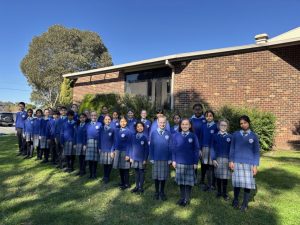
Monash Youth Music Festival Choral Competition
Maranatha students had a wonderful day of music, growth and achievement at the Monash Youth...
Aug
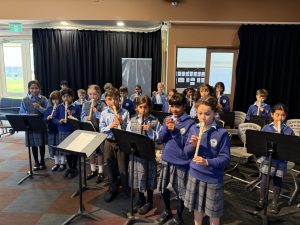
Arts Night Rehearsals
Featuring performances from Maranatha students across ELC to Year 6, this year's theme, "Be Courageous:...
Aug
Creating a Culture for Children to Thrive
In our latest Maranatha Leadership Blog, Mrs Kelly North, Head of Junior reflects on the...
Aug

Year 11 Biology Excursion
Discover how a hands-on Biology experience helped our Year 11 Science students connect classroom learning...
Aug

Book Week
From colourful character parades and very special author visits to creative writing masterclasses and live...
Aug

Year 10 Snow Camp
Maranatha Christian School's Year 10 Snow Camp at Falls Creek, where students developed confidence, resilience...
Aug

Go the Extra Mile
This August, Maranatha Christian School is partnering with HopeBuilders International for the Go the Extra...
Aug
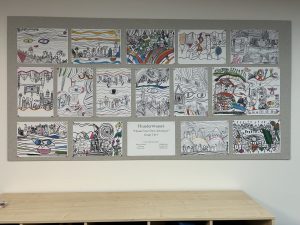
Artist of the Month
Congratualations to our Artist of the Month from our Endeavour Hills and Officer campus.
Aug